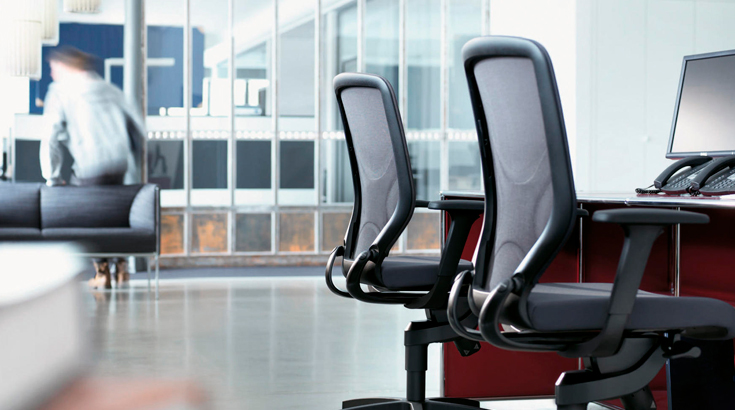
The Impact of Office Chair on Work Quality
The Impact of an Office Chair on Work Quality
In modern workplaces, employees spend a large part of their day sitting at their desks. For this reason, the quality of office furniture plays a crucial role in employee health, comfort, and overall productivity. One of the most important elements of any workstation is the office chair. A well-designed ergonomic chair can significantly influence work performance, concentration, and well-being.
Why the office chair matters
Many people underestimate the impact of an office chair on productivity. However, an uncomfortable chair can cause fatigue, back pain, and reduced concentration. As a result, employees may become distracted more often, make more mistakes, and lose motivation more quickly.
An ergonomic office chair supports proper posture, reduces pressure on the spine, and provides comfort even during long working hours. This is especially important for office workers, programmers, designers, and anyone who spends 6–8 hours a day at a desk.
How a chair affects productivity
A comfortable workplace directly improves work performance. When employees feel physically comfortable, they can focus better on their tasks and are less distracted by discomfort.
Key benefits of a high-quality office chair include:
-
proper posture support
-
reduced fatigue during the workday
-
less strain on the back and neck
-
improved concentration and efficiency
-
a more comfortable and productive work environment
Companies that invest in quality office furniture often see improved employee productivity and job satisfaction.
Ergonomics and employee health
Workplace ergonomics plays a critical role in employee health. Poor sitting posture can lead to chronic back pain, muscle tension, and spinal issues. A good office chair should include adjustable height, lumbar support, comfortable armrests, and a reclining mechanism.
These features allow users to adjust the chair according to their individual needs and maintain a healthy sitting posture throughout the day.
How to choose an office chair
When selecting an office chair, consider the following factors:
-
ergonomic backrest design
-
adjustable seat height
-
lumbar support
-
high-quality materials
-
durable construction
A good office chair is not only about comfort—it is an investment in productivity and long-term health.
Office furniture from Shimplaza
Shimplaza offers a wide selection of modern office furniture, including ergonomic office chairs, desks, and workspace solutions. The right furniture helps create a comfortable working environment, increases productivity, and enhances the professional image of a company.
Investing in quality office furniture means investing in your employees and the success of your business.
Office Chair: Comfort and Productivity in Every Detail
An office chair is not just a piece of furniture; it’s a crucial element of your workspace that impacts your well-being, productivity, and even mood. A well-chosen chair supports posture, reduces fatigue, and creates a comfortable working environment. But how do you choose the perfect office chair? Let’s find out.
Why is an Office Chair So Important?
The average person spends 8–10 hours a day at a desk. An uncomfortable chair can cause back, neck, and lower back pain, as well as lead to chronic fatigue. In contrast, an ergonomic chair supports proper posture, reduces spinal strain, and enhances focus.
Key Features of the Perfect Office Chair
1. Ergonomic Backrest
The backrest should follow the natural curve of your spine. Adjustable backrests are ideal.
2. Adjustable Seat Height
Your feet should rest flat on the floor at a 90-degree angle.
3. Lumbar Support
A lumbar cushion helps maintain the natural curve of your spine.
4. Comfortable Seat
The seat should be soft but not sag under your weight.
5. Armrests
Adjustable armrests relieve tension in your shoulders and arms.
6. Quality Materials
The upholstery should be durable and breathable, and the frame should be sturdy.
7. Mobility
Casters and a swivel mechanism ensure easy movement.
How to Choose a Chair for Your Needs?
For Executives
Leather chairs with additional features emphasize status and provide comfort. You can check out these Z10909 and CM-K01903 leather chairs at the Shin Plaza store.
For Office Workers
Ergonomic chairs with mesh backs are perfect for long hours at the desk. For example, GW230705, you can also consider this song-economical chair CM-B318AR012 as a good option.
For Home Offices
Compact and stylish chairs fit seamlessly into your interior. You can choose between leather armchairs such as K1921A05, as well as chairs. some of which are Arya3101:
2025 Trends
1. Smart Chairs
Chairs with sensors that remind you to take breaks.
2. Eco-Friendly Materials
Use of recycled materials.
3. Minimalism
Simple yet stylish designs.
Care Tips
- Clean the upholstery regularly.
- Lubricate the chair mechanisms.
- Avoid direct sunlight.
Conclusion
An office chair is an investment in your health and productivity. Choose a chair that suits your needs and enjoy comfort every day!
We spend a significant part of our lives at work, and often this time is spent in a sitting position. In this context, the office chair ceases to be just a piece of furniture and becomes a real tool that can both contribute to and hinder our productivity. Let's find out exactly how it affects the quality of our work.
1. Comfort is the foundation of productivity: This is perhaps the most obvious factor. When you're comfortable, you're less distracted by physical discomfort. An uncomfortable chair makes you constantly fidget, change your position, and look for a more advantageous position. This takes up precious time and energy that could have been devoted to solving work tasks. Reducing distractions: A good chair provides proper body support, minimizing back, neck, and shoulder pain. When you don't feel any discomfort, your brain can fully focus on work. Improved concentration: Physical relaxation promotes mental concentration. When the body is not stressed, the brain works more efficiently, assimilates information more easily, and makes decisions faster.
2. Ergonomics is the key to health and long–term productivity: An ergonomic chair is not just a buzzword, but an investment in your health and, as a result, in your long–term performance. A properly designed chair takes into account the anatomical features of a person and helps maintain the natural position of the spine. Disease prevention: Prolonged sitting in the wrong position can lead to the development of problems such as osteochondrosis, herniated discs, carpal tunnel syndrome. An ergonomic chair helps to prevent these diseases by reducing stress on the spine and joints. Maintaining proper posture: A good chair stimulates the maintenance of a straight posture, which not only looks more professional, but also improves blood circulation and breathing, saturating the brain with oxygen. Reducing fatigue: When your body is in the right position, your muscles work less strenuously, which reduces overall fatigue during the working day. You feel more alert and can work longer without losing efficiency.
3. Mood and motivation are invisible helpers: Even if you don't think about it directly, your workplace, including your chair, affects your emotional state. Feeling of care: When a company provides a high-quality and comfortable office chair, it demonstrates concern for its employees. This attitude can increase loyalty and motivation. Creating a working atmosphere: A comfortable and functional chair helps to create a more pleasant and productive working atmosphere. This can make the working day less tedious and more enjoyable.
4. Effects on physical activity (or lack thereof):
Some modern office chairs offer additional features that can encourage a little physical activity throughout the day.
Tilt and motion adjustment: The ability to change the position of the backrest, adjust the height, and even sway slightly can help stretch muscles and improve blood circulation without getting up from your seat.
Stimulation to move: If the chair allows you to easily change your position, this may encourage you to get up more often, walk, do a little warm-up.
What makes an office chair "good" for work?
Adjustable height: Allows you to adjust the chair to your height and the height of the table.
Lumbar support: The most important element for the correct position of the spine.
Adjustable armrests: Help relieve tension from shoulders and neck.
The ability to adjust the backrest tilt: Allows you to change position and relax.
Breathable materials: Prevent overheating and discomfort.